

Why I Switched to a Flip Phone in Burnout
Most of the time not only do to unpredictable factors at work + Being in burnout for around half a decade, my energy has remained quite low. To-do apps are too exhausting to use (Which I depend on to counter the significant memory impairment burnout has brought me.) That math leaves me with nothing—or less than nothing—before I've done anything else.
The Subtle Drain I Didn't Notice
My smartphone made it incredibly easy to switch between apps at a rapid pace. I was constantly switching between Discord and Telegram while talking with friends, and it was subtly draining me a lot in the span of just an hour or two.
I've tried apps like Todoist and TickTick. Both have way too many features I don't need. Both require multiple steps to complete one action. To create a task in TickTick, I have to click a button, type the task, set priority color, set recurring due dates. These apps assume I have the energy to perform these steps over and over.
I thought having my tasks automated would save me energy. Instead, constant task switching—task creation, info entry, save, repeat for 20-40 tasks—didn't improve my burnout recovery at all.

The Red Text That Stressed Me Out
Eventually my task list had 100+ items. 50-60 due daily. I started leaving tasks uncompleted. Each one showed red text revealing I didn't finish it. That red text created internal pressure: I have to complete this. Why didn't I complete it? Am I lazy?
I deleted apps. Telegram, Discord, Reddit, my browser, email, YouTube. I turned off all notifications. My baseline still wasn't improving. Even checking rideshare apps to see if my driver canceled was another drain—constantly monitoring something unpredictable on a device designed to keep me monitoring.
I'm not afraid to admit I was addicted to my phone. I've been trying for the past year and a half to aggressively get out of burnout.
The Switch
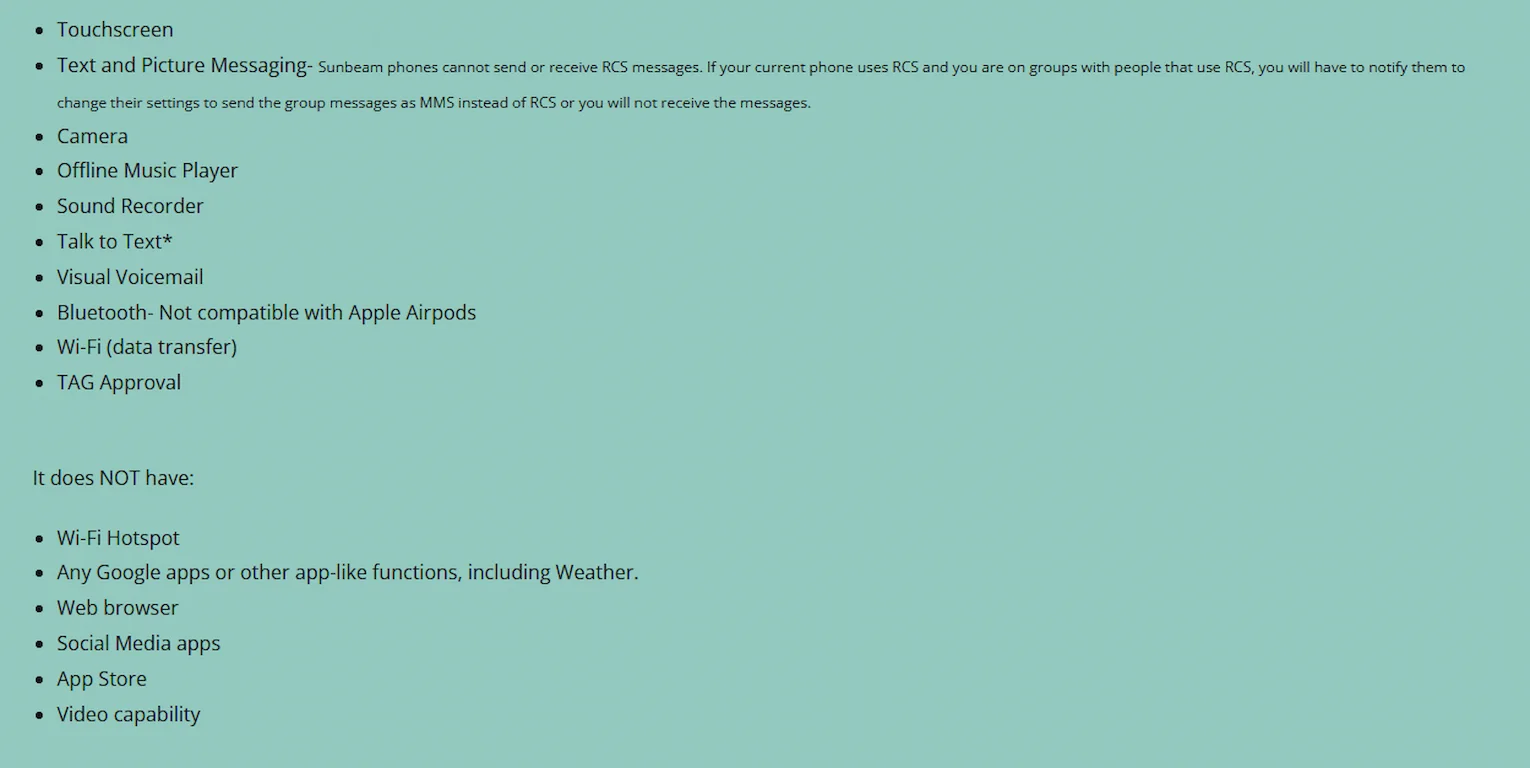
I bought a Sunbeam F1 Pro for $350. No social media apps. No app store. No ability to play videos or search the web. No weather browser. No Google apps. No workable hotspot. Just a phone, and nothing more. It felt refreshing to cut most of the apps I use too much anyways and was taxing most of most of my cognitive resources to begin with, which gives me less leverage to handle everything else.
For tasks, I switched to a Remarkable Paper Pro tablet and a physical calendar. I manually write down tasks, be more intentional with them, and simply cross them out when I'm actually done with them. No red text. No syncing. No company tracking what I write. Just paper and my own pace.
This is still a very new change. I know I'll have to force myself to be more intentional with what tasks I write. But intentionally having less freedom to navigate between apps—strictly having a tool rather than an all-in-one entertainment device and comparison machine—is something I didn't hesitate on and I'm sure it's something I'll get used to eventually.
About Me
I'm Omari, a 23-year-old autistic adult who's been managing chronic burnout for 5+ years while working warehouse shifts.
I primarily built Spoons to help track my energy and to be aware of what drains me and also what restores it in some moments (Such as stimming!) but also the cost of not having task switching between apps as often due to my flip phone being my primary device (And my old smartphone that still allows me to use my app without much issues) helps with another subtle and significant cost that should gradually improve my baseline since my brain actively doesn't have to do or manage much.
Launching April 2026. getspoons.app - One email when it's ready. No spam.
— Omari
Note: I'm sharing my personal experience as an autistic adult, not medical advice. If you're experiencing severe burnout or crisis, please consult a healthcare provider familiar with autism.